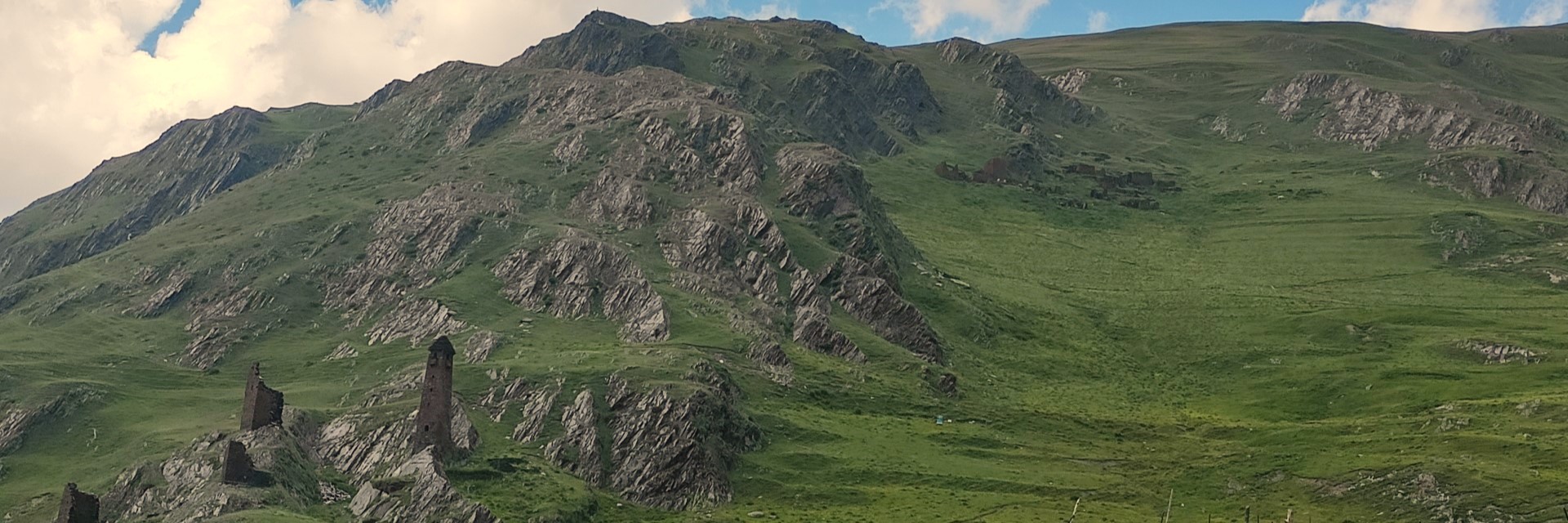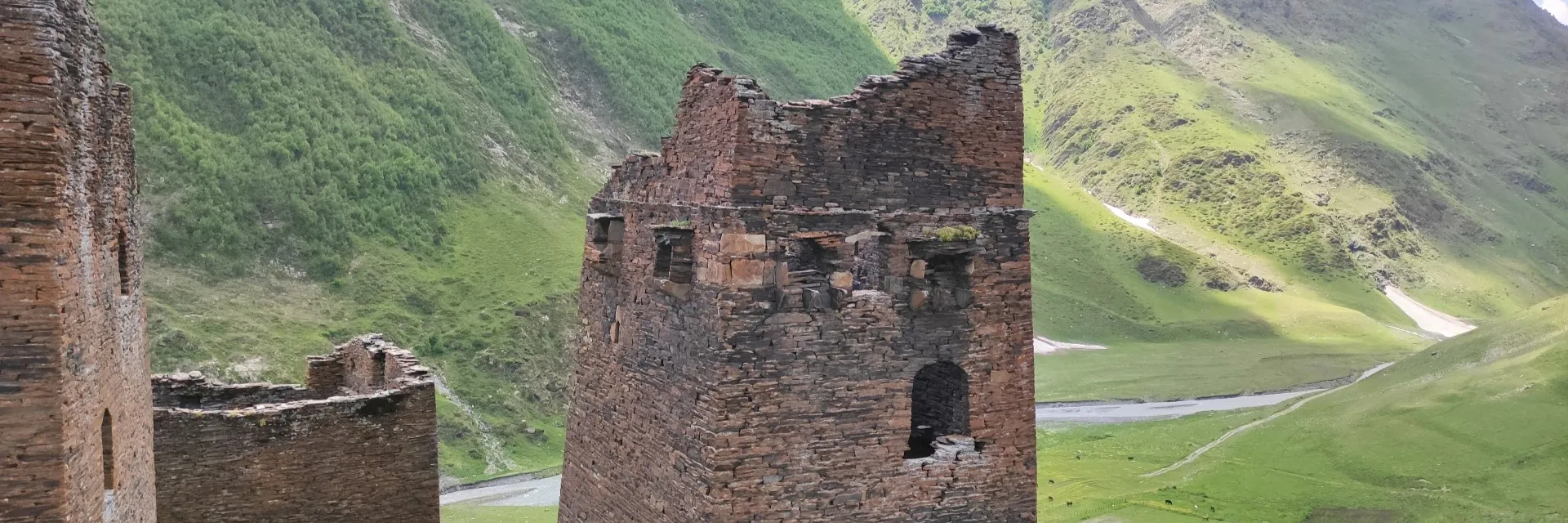


Dochu is a stunning, medieval fortress village that stands out as one of the most visually dramatic settlements in the entire Tusheti region. Perched precariously on a near-vertical rocky cliff deep within the Gometsari valley, this ancient stone village blends seamlessly into the rugged mountain landscape.
Accessible via challenging dirt tracks, Dochu offers travelers an awe-inspiring glimpse into historical Tush architecture, where slate-roofed houses seem to hang directly over roaring river canyons and misty alpine abysses.
The Eagle’s Nest Architecture of Dochu
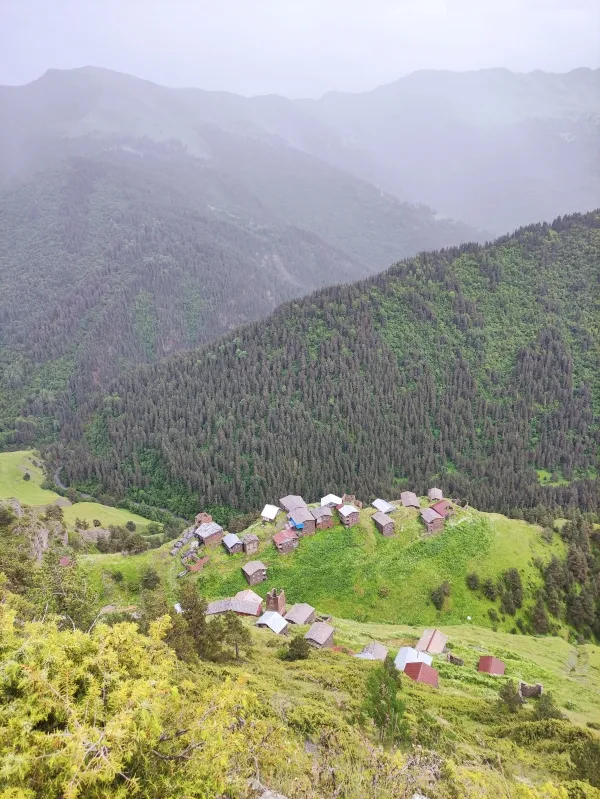
What makes Dochu completely unique is its extreme and strategic geographical placement. Built entirely from dark slate stone without modern mortar, the three-story traditional houses are terraced tightly up a steep mountain spine. From a distance, the village looks like an eagle’s nest carved into the mountain.
This vertical layout wasn’t just for aesthetics; it served as a highly effective natural defense mechanism, making the village almost entirely unreachable to invaders. Today, Dochu remains completely untouched by commercial modernization, preserving centuries-old narrow stone pathways and weathered balconies.
Top Reasons to Visit Dochu
Dramatic Masonry
Marvel at spectacular three-story medieval slate houses clinging tightly to a near-vertical mountain cliff.
Canyon Vistas
Capture stunning panoramic photos of deep river gorges and endless alpine ridges in the Gometsari valley.
Raw Authenticity
Wander through completely uncommercialized stone alleys where time has stood still for centuries.
“Perched precariously on a near-vertical rocky cliff deep within the Gometsari valley, Dochu looks like an eagle’s nest carved into the mountain where time has stood still.“
Practical Info & Valley Logistics
Branching off from Omalo via a narrow, rugged dirt track hugging steep cliffs. A high-clearance 4×4 vehicle and a skilled mountain driver are absolutely mandatory.
Built on an incredibly steep slope. Sturdy hiking boots with excellent grip are essential to safely navigate loose slate stone paths and steep inclines.
Accessible only from mid-June to early September. Landslides and heavy winter snow blocks close the path completely during the rest of the year.
A quiet, near-deserted medieval settlement with no commercial shops or restaurants. You must pack your own lunch, snacks, and drinking water from Omalo.