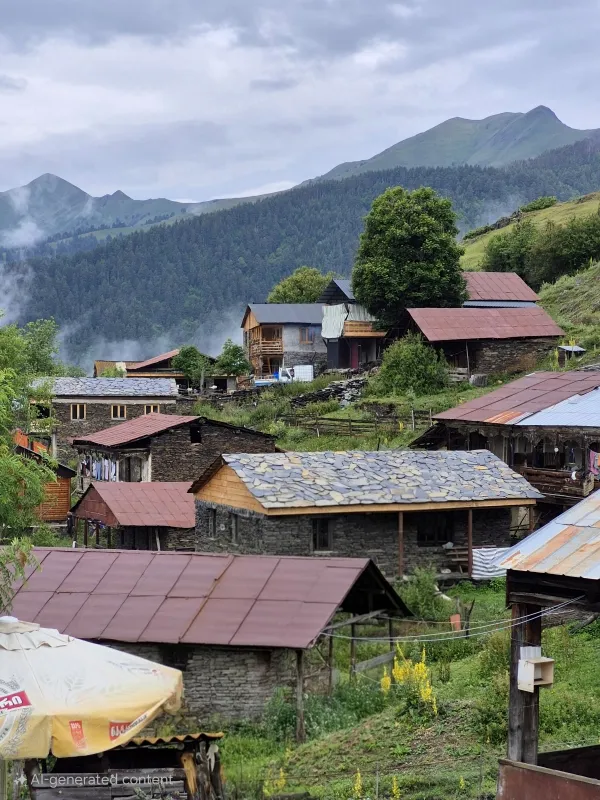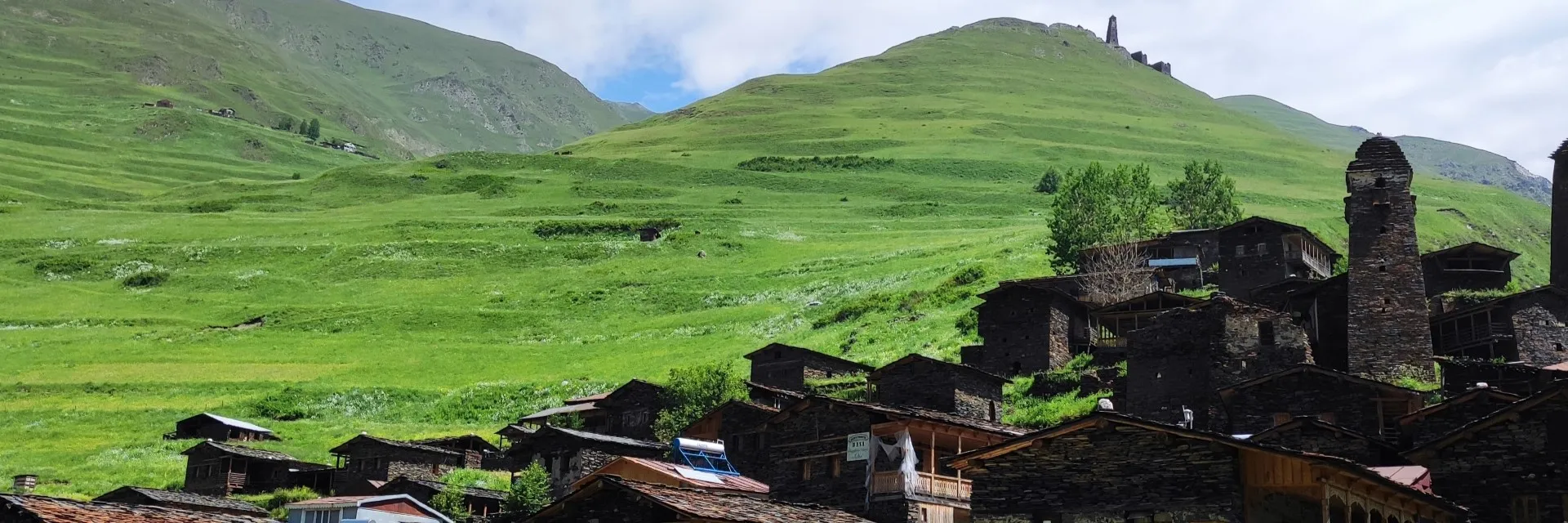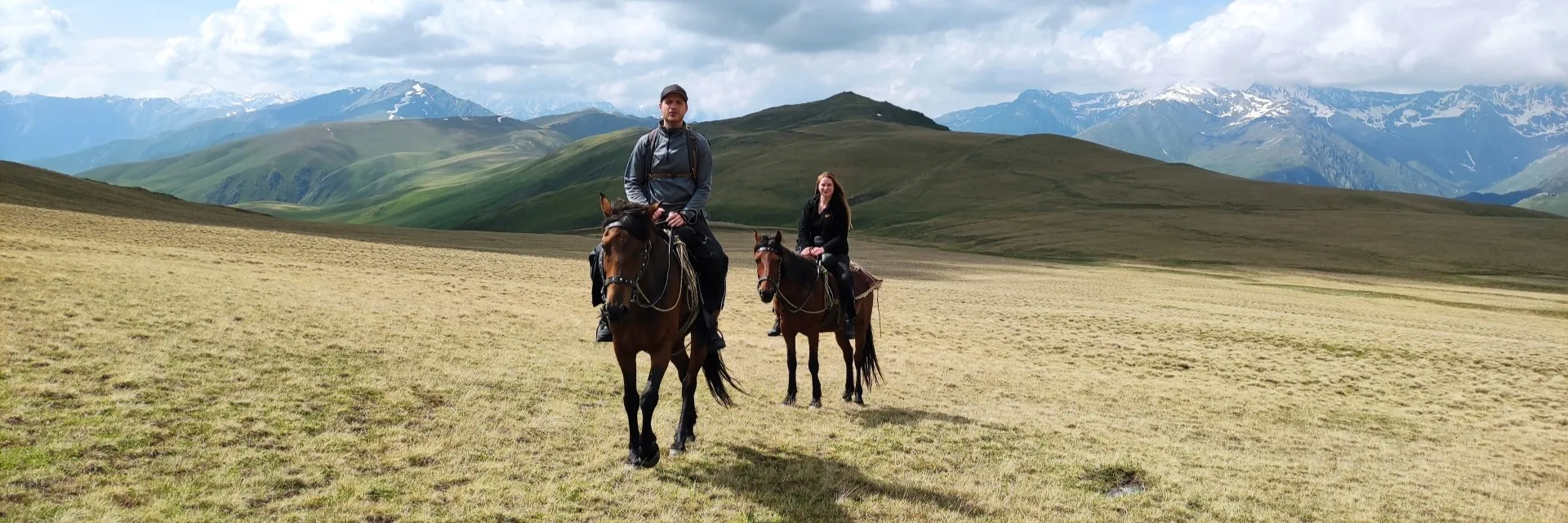


High above the clouds, isolated for over eight months of the year by treacherous mountain passes, Tusheti developed a unique culinary identity shaped by resilient shepherd traditions and alpine pastures. Exploring this wild region is only half the journey; the true soul of the Caucasus reveals itself around the communal dinner table of a local mountain guesthouse.
Savoring authentic Tushetian food is an intimate encounter with centuries-old highland hospitality. From razor-thin ritual breads filled with curd cheese to hearty dumplings seasoned with mountain wild caraway, every meal in Omalo is freshly prepared from ingredients forged in the high alpine valleys.
The Shepherd’s Pantry: Ancient Flavors of Tusheti
Tushetian highland cooking was born from pure necessity—fueling shepherds through brutal winters, thin air, and rugged passes. Beyond celebratory feasts, Tusheti preserves archaic culinary traditions and recipes virtually unknown across the rest of the world:
The undisputed crown jewel of Tusheti. Rolled tissue-thin and blistered over hot dry iron grates, this delicate bread is layered with rich clarified mountain butter (erbo) and cottage curds (khacho).
A legendary comfort dish made by slowly simmering curd cheese with flour and generous ladles of bubbling clarified butter, forming an irresistible, rich dip eaten straight with crusty bread.
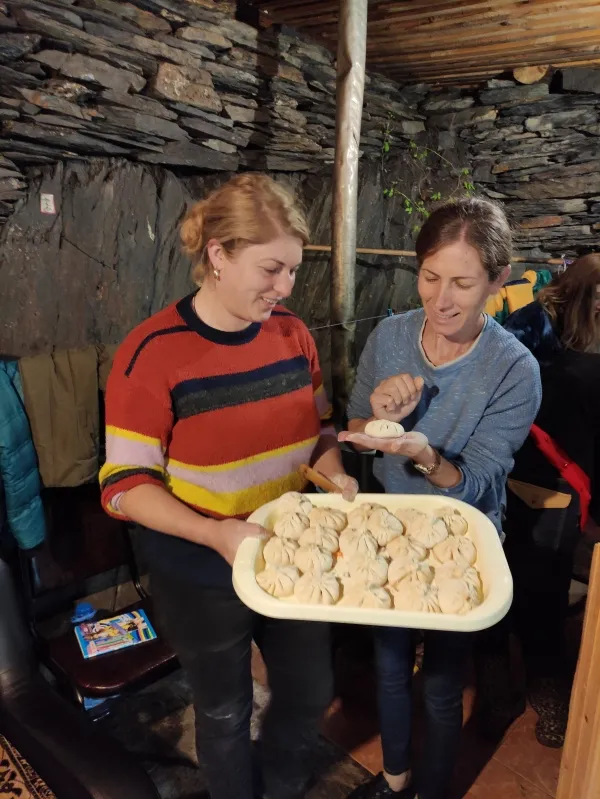
Rustic mountain dough hand-pleated around finely chopped lamb or beef, infused with wild highland savory (kandari). It avoids heavy garlic, creating an exquisitely pure, aromatic herbal broth.
In high-altitude Tusheti where grapevines cannot grow, beer is the sacred ceremonial drink brewed from highland barley, pure glacial spring water, and wild hops in massive copper cauldrons.
Chogi is hand-kneaded fresh sheep cheese spread. Tushetian Guda cheese, cured inside salted sheepskins for months, possesses an intense flavor profile with international geographical protection.
“In the stone towers of Tusheti, breaking hot Kotori, sipping fresh Aludi, and sharing homemade Chacha is not merely a dinner—it is an unbroken highland ritual of trust, memory, and kinship.“
Highlights of Tushetian Culinary Traditions
Sacred Breads & Doughs
From paper-thin festive Kotori to hearty boiled Gordila and bubbling Khavitsi, Tushetian baking reflects sacred rituals.
Guesthouse Masterclasses
Step inside traditional stone kitchens to learn the art of hand-folding authentic mountain Khinkali and spreading fresh Chogi.
Aludi & Chacha
Evenings at mountain lodges feature heartfelt toasts raised with ceremonial barley beer, potent grape chacha, and local wines.
Dining Etiquette & Practical Food Tips
Pork products of any kind are strictly forbidden in Tusheti by sacred ancestral pagan traditions. Never bring pork, ham, bacon, or pork lard anywhere into Tushetian territory.
The first toasts at a Tushetian guesthouse table are traditionally dedicated to God, ancestral shrines (Khati), and peace. Always wait for your host or Tamada before drinking.
For non-alcoholic drinks, hosts brew wonderful hot teas on wood stoves using wild alpine thyme (begkondara), sea buckthorn, and rosehip hand-picked on local trails.
Vegetarians thrive with ease in Tusheti on fresh Kotori, boiled mountain potatoes served with savory Guda cheese, seasonal wild greens, and fresh village salads.
Meals in Tusheti are served family-style with immense warmth and generosity. Come with an appetite and be ready to embrace legendary mountain hospitality.
Frequently Asked Questions
Local guesthouses offer a rich variety of home-cooked food that can easily accommodate vegetarians and food allergies when notified in advance.
The riding season strictly runs from early June to late September when high mountain passes are clear of snow.
Multi-day mountain rides require reasonable physical fitness, core balance, and confidence in the saddle on steep terrain.