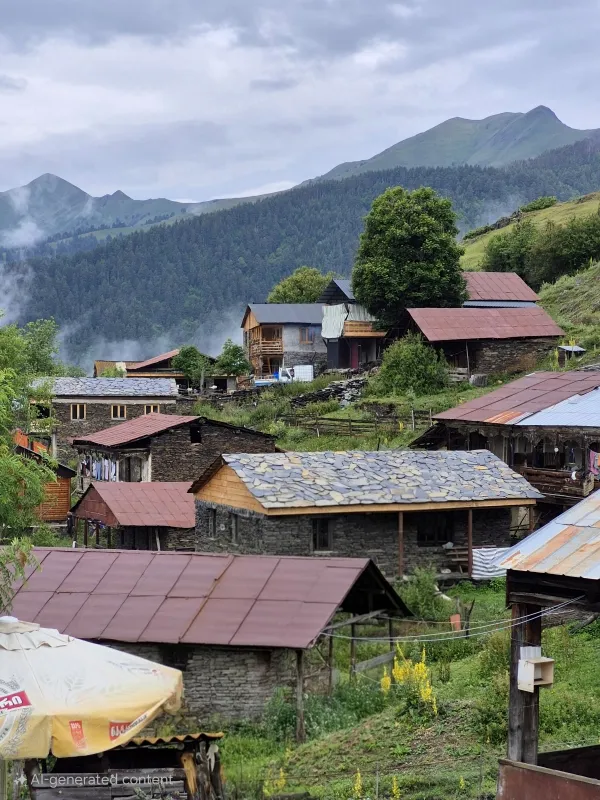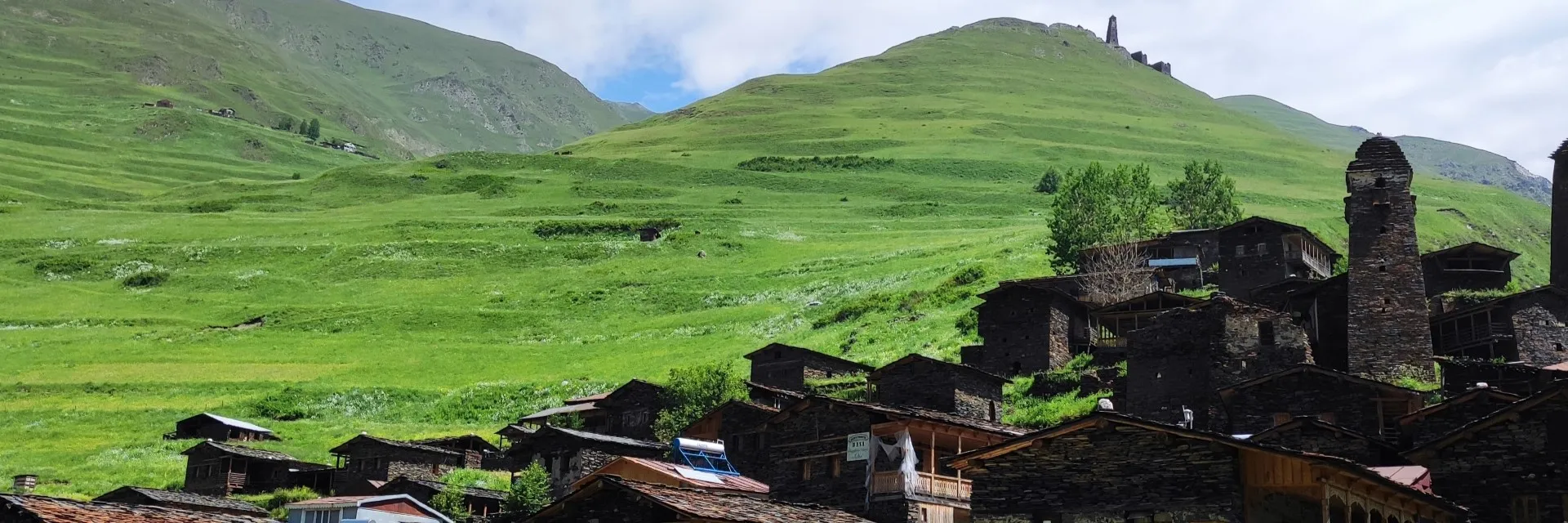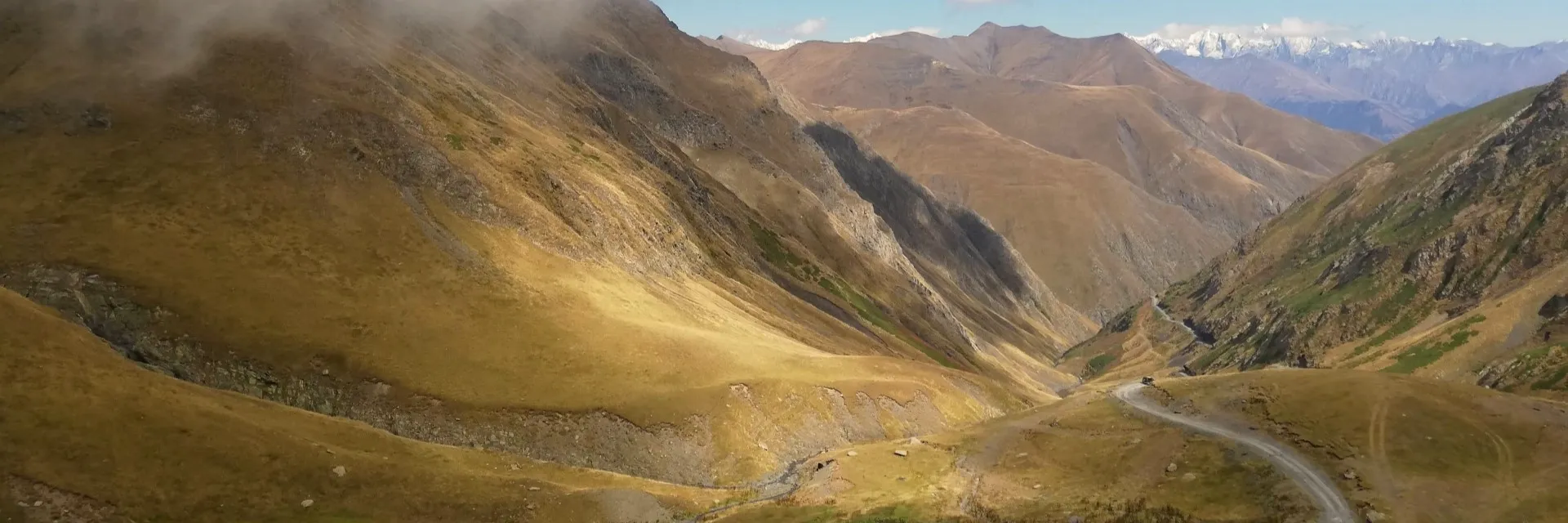


Horseback riding in Tusheti offers a timeless window into the high Caucasus. For centuries, before the narrow hairpins of the Abano Pass were carved through granite cliffs, horses were the sole heartbeat of the region. They ferried salt, flour, wool, and mail across treacherous scree slopes, forging an unbreakable bond between mountain horsemen and their loyal companions.
Today, embarking on horseback riding in Tusheti remains the most poetic and authentic way to explore this untouched wilderness. Sitting high in the saddle as your mount navigates steep pine gorges and alpine plateaus, you experience the Caucasus not as a hurried tourist, but through the patient, rhythmic gait of an ancient mountain expedition.
The Tushetian Horse: Master of High Caucasus Ridges
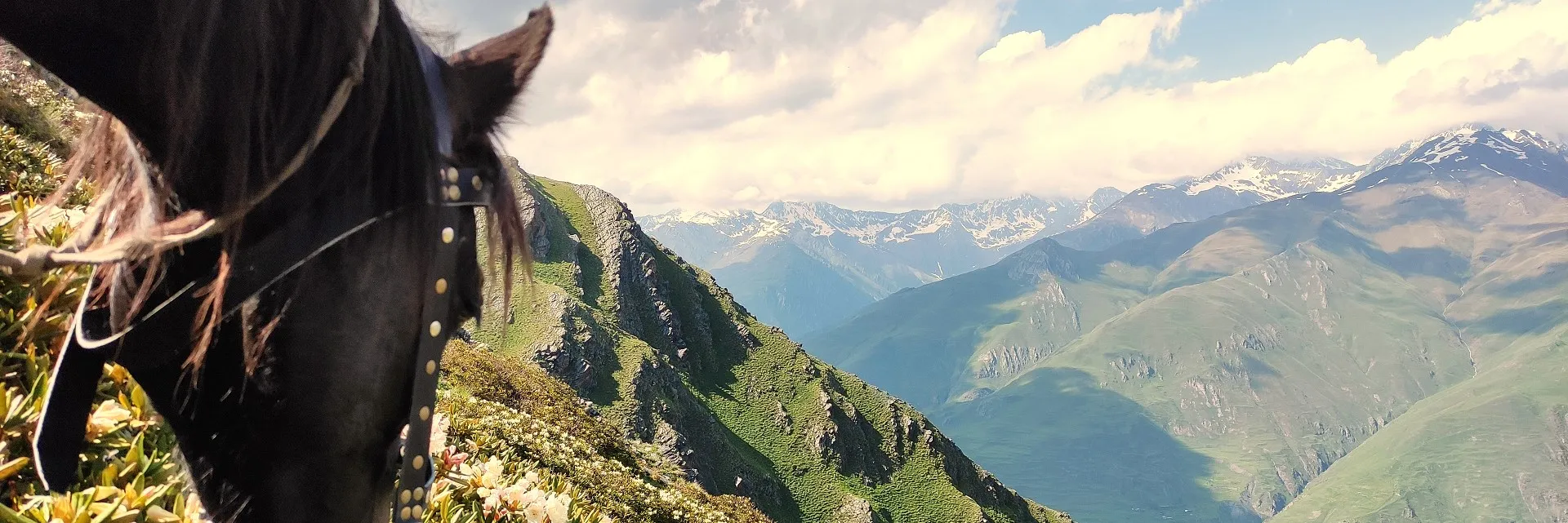
Not every horse can survive—let alone thrive—in the sheer verticality of the Greater Caucasus. The legendary Tushetian horse breed (Tushuri tskheni) is an extraordinary high-altitude marvel. Compact, sure-footed, incredibly hardy, and possessing calm temperament, these horses were bred over centuries by highland shepherds to navigate exposed cliffs, loose scree, and icy river crossings with innate precision.
When you choose horseback riding in Tusheti, you ride alongside horses that know every rock on the trail, ensuring safety and confidence across demanding mountain terrain.
Why Choose a Horseback Trek in Tusheti?
The Resilient Breed
Ride sturdy, sure-footed mountain horses bred specifically to tackle narrow singletracks and steep shale switchbacks safely.
Untamed Ridge Access
Reach panoramic heights up to 3,050 meters on Unagira Ridge without exhausting foot slogs, enjoying 360-degree vistas.
Guesthouse Nights
After exhilarating days in the saddle, relax with hot family-style dinners, warm showers, and comfortable guesthouse beds.
“To ride a Tushetian horse along a high mountain ridge is to witness an ancient dialogue between beast and terrain—where every step echoes centuries of highland survival.“
Key Traits & Equestrian Corridors
Unlike larger lowland breeds that stumble on rocky inclines, Tushetian horses maintain low centers of gravity and instinctively test unstable soil before placing their full weight.
Accustomed to sudden mountain weather shifts, fluttering flags, and barking shepherd dogs, local horses remain steady, making them reliable partners.
Treks utilize comfortable trail saddles fitted with durable felt pads and wool blankets (nabadi traditions) ensuring optimal weight distribution.
Famous routes traverse the deep forests of Chanchakhovani Gorge, connect stone towers between Shenako and Diklo, and climb to Unagira Ridge (3,050 m).
Essential Horse Riding Tips & Gear
While beginner-friendly shorter trail rides exist around Omalo, multi-day mountain rides require reasonable physical fitness, core balance, and saddle confidence.
Bring durable riding trousers, sturdy boots with a defined low heel to prevent slipping through stirrups, and layered windproof clothing for high ridges.
Tusheti weather changes rapidly. Always keep a waterproof breathable rain jacket or poncho packed securely in your saddle bags.
Riding helmets are strongly recommended. Always listen attentively to your local horse guide (merekhe) during river crossings and scree descents.
Respect local shrines (Khati) along the trails where traditional rules apply, and ensure environmental responsibility by leaving no trace across these pristine alpine pastures.