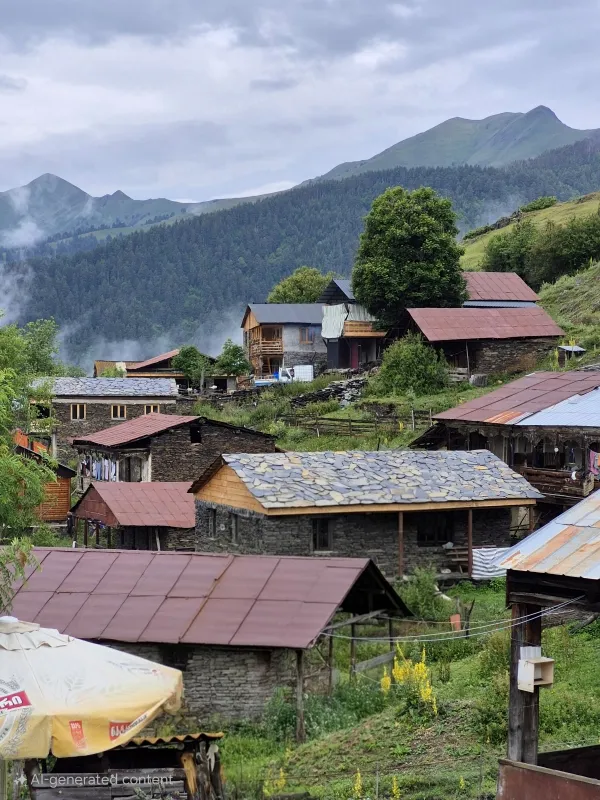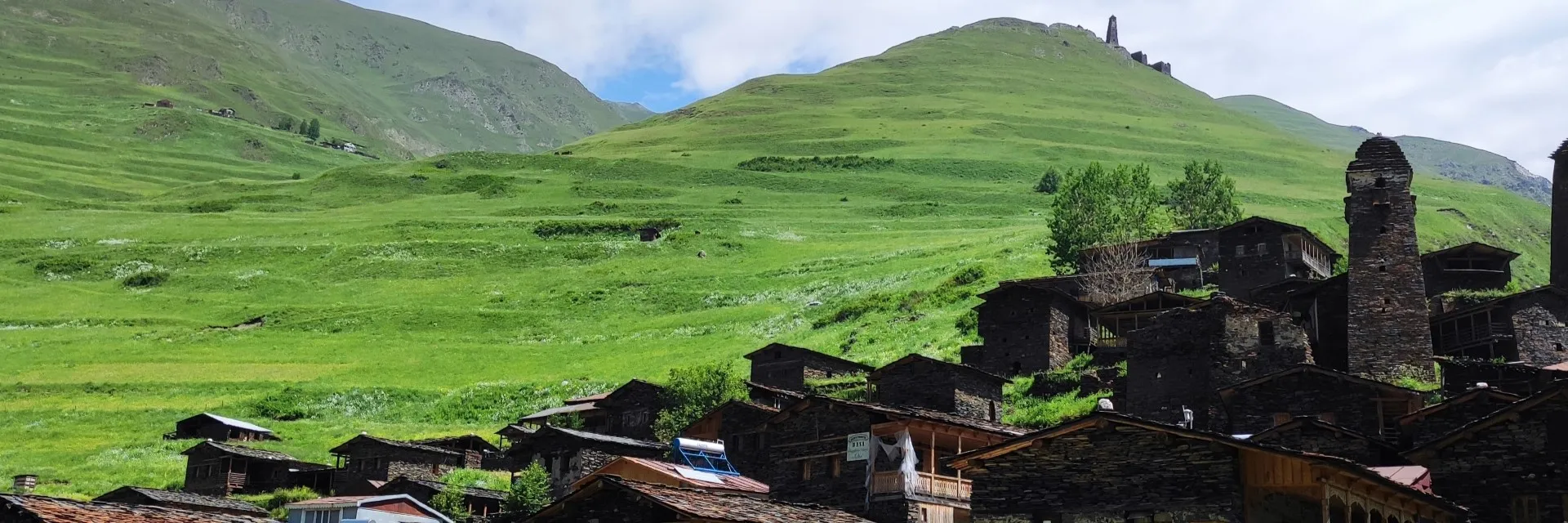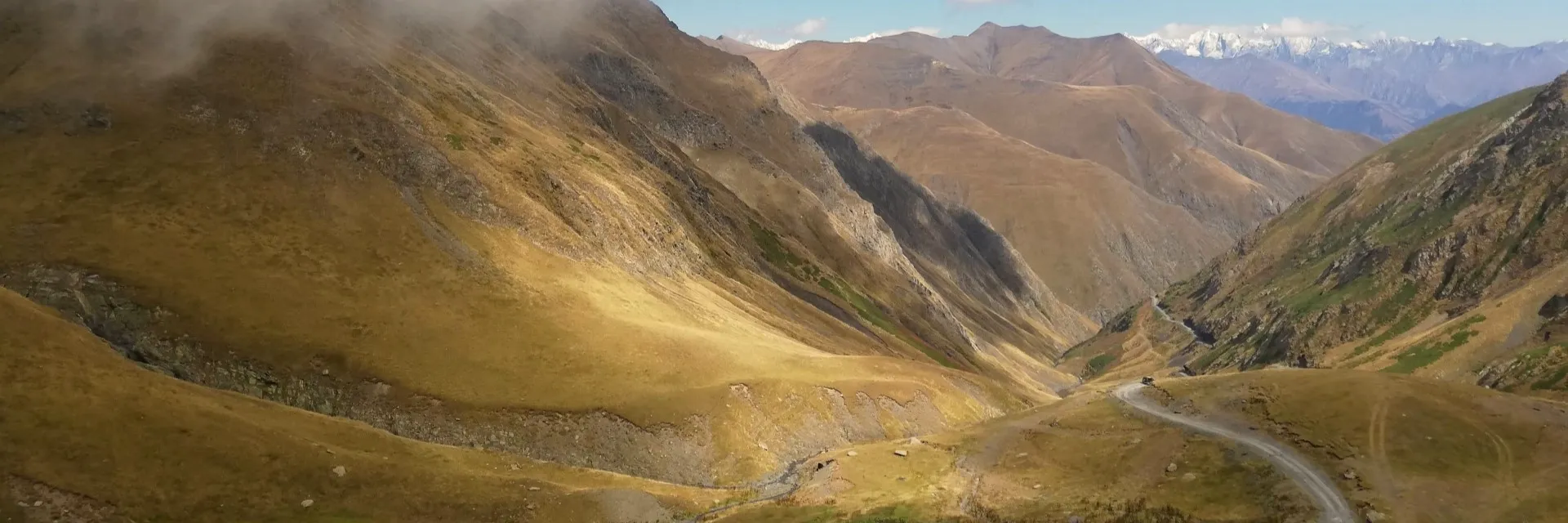


Planning Tusheti photography expeditions requires reading the mountain light as much as navigating the trails. Perched high in the Greater Caucasus, Tusheti is an extraordinary landscape of sheer verticality, moody cloud inversions, and timeless medieval defensive architecture. In a region where light shifts within minutes over jagged crests, knowing exactly where to stand at dawn and dusk makes all the difference.
From the sentinel towers of Dartlo and Keselo to the mirror reflections at Lake Oreti and the endless horizons of Unagira Ridge, Tusheti offers rare visual drama. However, high-altitude shadows, intense ultraviolet light, and unpredictable cloud banks mean composition demands preparation. Here is our field guide to the region’s premier photographic vantage points.
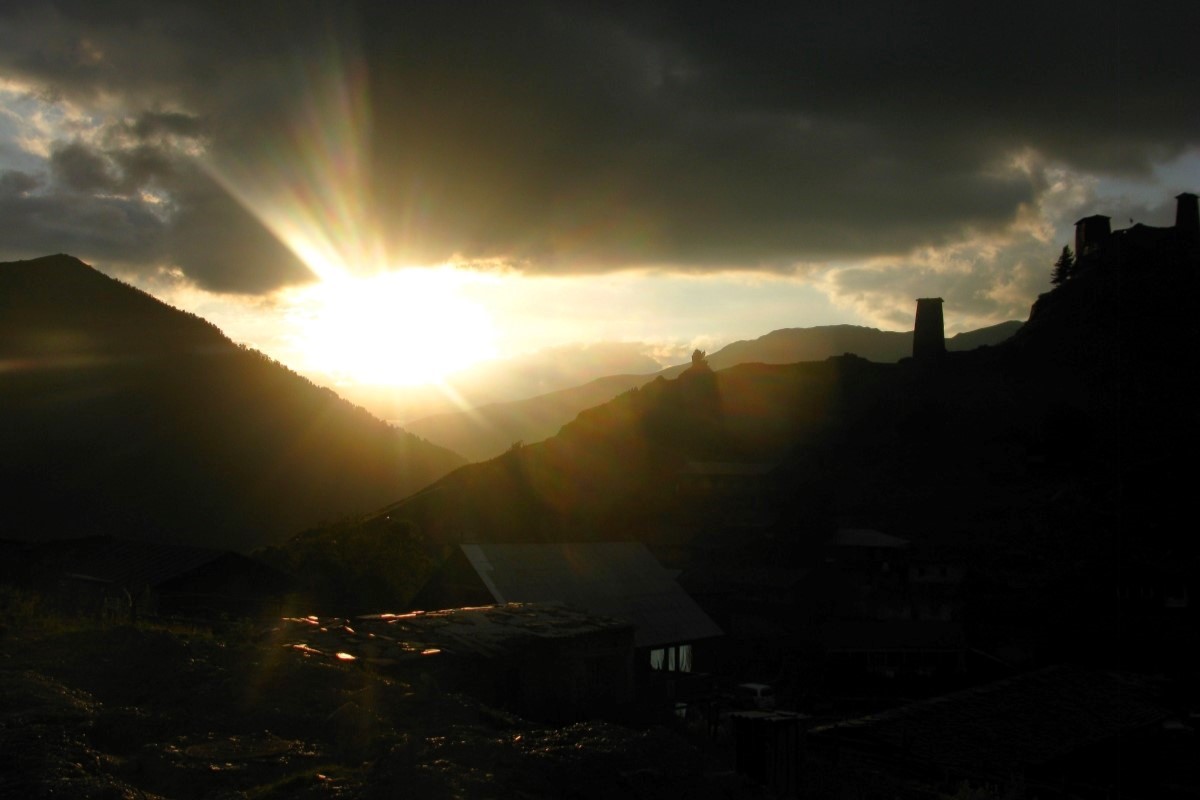
Light & Atmosphere in the High Caucasus
Mountain light in Tusheti is defined by extreme clarity and sudden contrast. Midday sun on slate roofs can wash out frame details, but the magic occurs during the edges of the day. Early mornings frequently bring thick thermal fog drifting up from the Alazani gorge, creating dramatic temperature inversions where medieval towers emerge from a sea of white clouds.
Autumn (September) provides the crispest air, golden alpine meadows, and dusted snowcaps on northern ridges. Mid-summer (July) brings electric green slopes blanketed in wild Caucasian rhododendron, complemented by moody afternoon storm systems that yield unmatched dramatic skies.
Top 3 Vantage Points for Landscape Shooters
Keselo Towers Sunrise
Upper Omalo’s stone towers catch the very first rays of sunrise illuminating the Chagma valley, framed by ancient pine trees and deep gorge shadows.
Kvavlo High Crest
Hike above Dartlo to Kvavlo village for a bird’s-eye perspective looking straight down the Pirikiti Alazani river basin with towering fortress towers below.
Lake Oreti Mirror (2,600 m)
A high-altitude glacial lake offering pristine mirror reflections of jagged peaks. Early morning visits guarantee glassy calm water before mountain winds rise.
“The best shots in Tusheti are rarely taken from the road; they reward the photographer who climbs 200 meters above the village before the valley mist breaks.“
Valley-by-Valley Shooting Strategies
Best shot during late afternoon and blue hour. Low angled sidelight carves deep relief into the medieval slate facade of Dartlo, emphasizing architectural textures against lush green slopes.
A haven for telephoto compression. The precarious cliff-side village of Dochu appears stacked vertically; shoot from the opposing switchback trail using a 100–300mm lens for extreme scale.
Shenako’s 19th-century church surrounded by grassy hills is an ideal early morning composition. Continue toward Diklo’s edge for stark cross-border vistas facing Dagestan’s rugged ridges.
The ultimate 360-degree high-altitude panorama. Reached via 4WD or horseback, this crest allows you to capture both Gometsari and Pirikiti valleys unfolding simultaneously in golden light.
Camera Gear & Field Tactics
A 24–70mm handles village architecture and expansive valley vistas, while a 70–200mm telephoto is critical for isolating distant shepherd huts, cliffside towers, and compression shots.
Drones produce stunning angles over switchbacks and gorges, but never fly near active livestock herds or shepherd dogs. Always stay well clear of sensitive military border corridors.
Cold mountain nights deplete lithium-ion batteries rapidly. Keep camera batteries tucked inside your sleeping bag or inner jacket pockets, and always carry at least a 20,000 mAh power bank.
High alpine haze and harsh reflections on wet slate stone demand a high-quality CPL filter to restore sky saturation and rich earthy contrast.
Never treat sacred stone shrines (Khati) as camera props or climb on them for an elevated angle. When photographing local shepherds or elders, always ask for permission first with a respectful greeting.