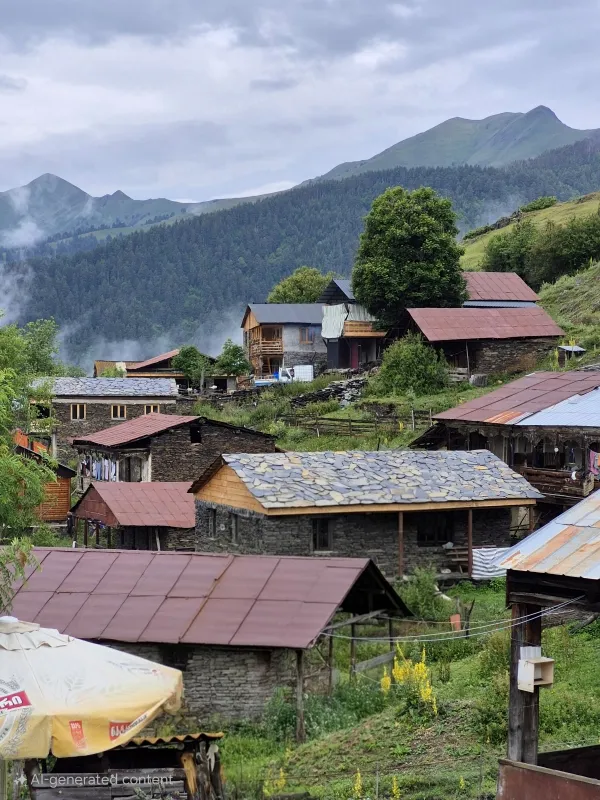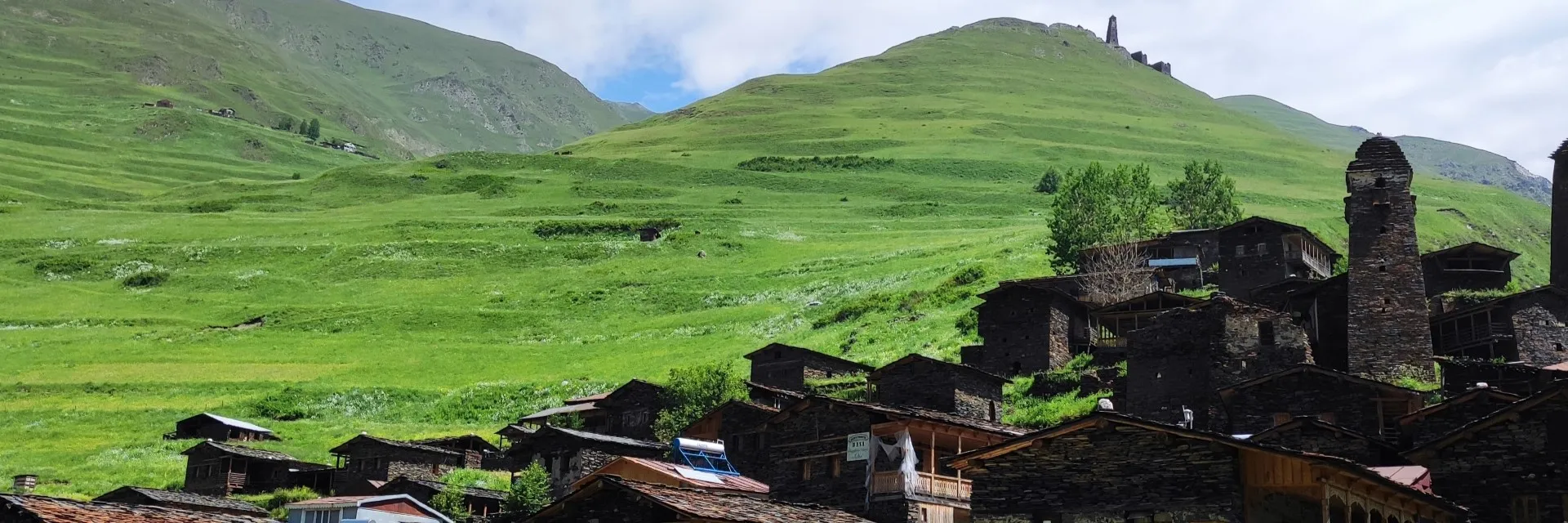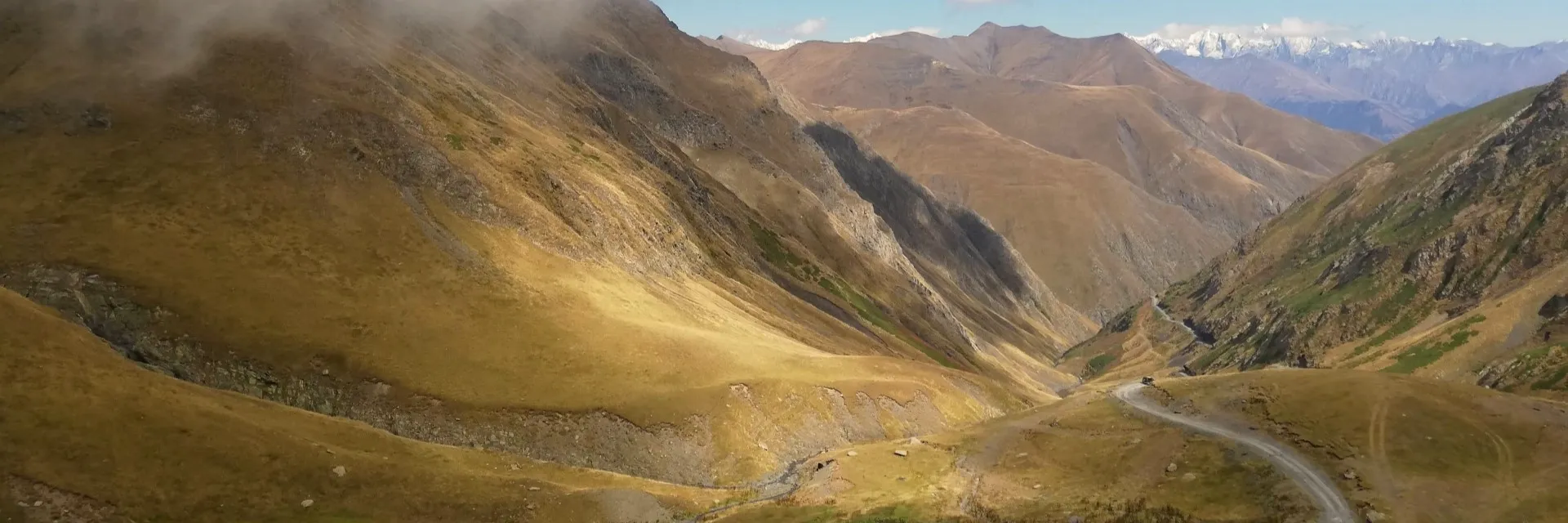


Hiking near Caucasian Shepherd Dogs in Tusheti requires practical trail awareness, as alpine meadows are home to centuries of uninterrupted transhumance pastoralism. As thousands of sheep traverse the high passes of the Greater Caucasus each summer, they are watched over by legendary working guardians: the Georgian Shepherd Dog (Nagazi), commonly known to travelers as the Caucasian Shepherd. Respected, massive, and deeply territorial, these dogs are the backbone of highland survival.
For hikers, encountering an imposing guardian on an isolated singletrack can be a pulse-spiking experience. Yet these dogs are not wild predators; they are calculating working sentinels following a strict defensive code. By understanding their psychology, learning to read their perimeter warnings, and mastering proper trail etiquette, you can cross every high pass with confidence.
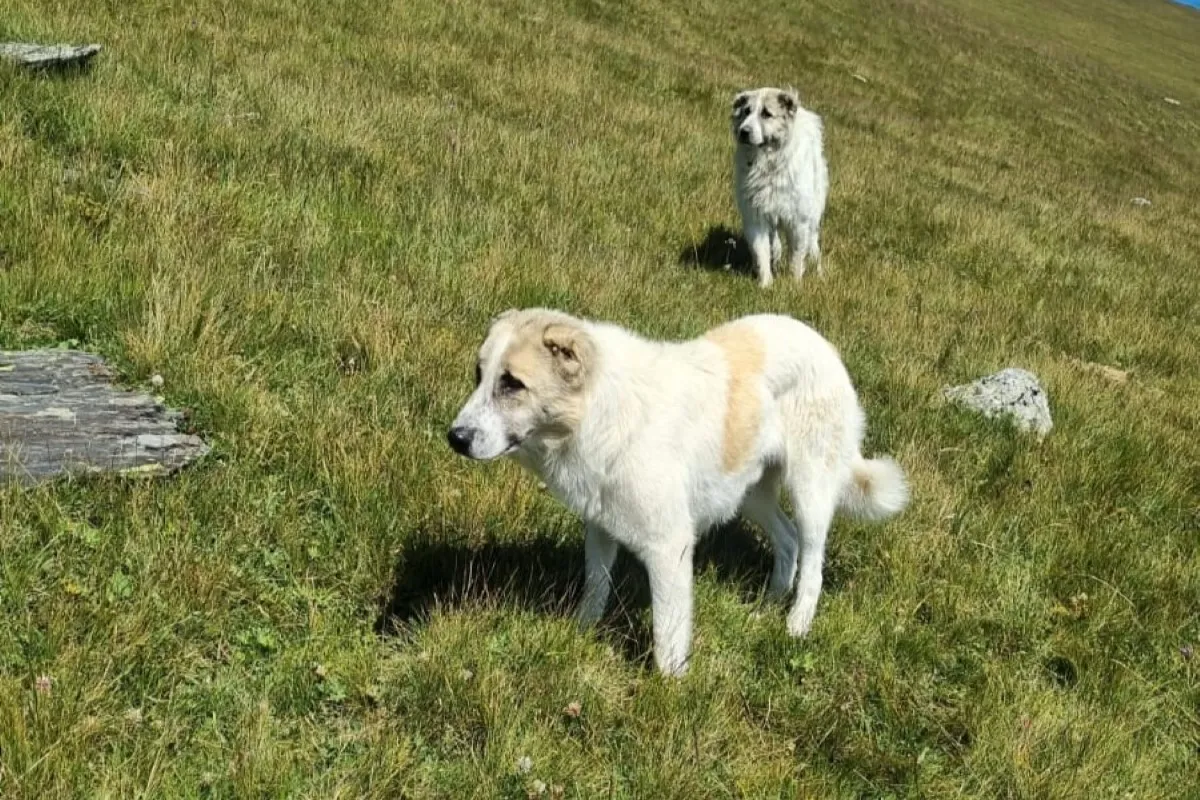
The Nagazi: Guardian of the High Caucasus
Unlike European herding collies that take active commands to drive animals forward, the Caucasian Shepherd is a livestock guardian dog. They live embedded within the flock from puppyhood, bonding with sheep rather than relying on human supervision. In the remote gorges between Omalo, Dartlo, and Atsunta, they defend flocks from wolves, bears, and unfamiliar intruders.
When a Nagazi rushes forward or barks from an alpine knoll, it is not an act of random aggression. It is an immediate territorial assertion: "This herd is my family. You are approaching our boundary." Recognizing this defensive duty transforms fear into informed, calm trail awareness.
Three Golden Rules Around Highland Flocks
Spot the Flocks Early
Constantly scan high ridgelines and pastures ahead. White specks moving on a distant slope mean sheep, and where there are sheep, guardians are always stationed nearby.
Give a Wide Berth
Never hike directly through a flock or bisect sheep on the trail. Always detour uphill or downhill by at least 100 meters, remaining visible and clearly outside their zone.
Locate the Shepherd
Look for the shepherd (Mtskhemsi) or his horse. A friendly whistle, shout, or wave immediately alerts him to call off and command the dogs before you cross paths.
“A barking mountain dog is holding a perimeter line. Stand your ground, face the animal without direct eye contact, and let them see you respect the herd’s boundary.“
Encounter Protocol: What to Do on the Trail
Never run or make sudden panic sprints. Running triggers an irresistible predatory pursuit instinct that no human can outpace on steep Caucasus scree. Stop moving, plant your feet, and stay grounded.
Hold your trekking poles out in front of you angled low toward the ground at 45 degrees. Do not wave, brandish, or swing them violently, as aggressive gestures escalate the confrontation. Use them purely as a rigid physical barrier.
In canine psychology, locking eyes is an overt challenge to dominance. Keep the dog in your peripheral vision, stand slightly angled sideways rather than square-chested, and speak in a low, firm, calm voice.
Once the dog halts its charge and holds barking position, slowly back away step-by-step along your path. Never turn your back completely. As soon as you widen the buffer zone, the dog will turn and return to its post.
Field Gear & Practical Safety Measures
Your single most indispensable hiking tool. Beyond joint support on passes, poles create an immediate spatial buffer against curious or assertive herd dogs.
While some hikers carry ultrasonic deterrents or bear bells, mountain winds often scatter high frequencies. A sharp mountain whistle to alert shepherds remains far more dependable.
If hiking in a group, bunch together side-by-side rather than stringing out in a vulnerable single file. A consolidated group presents a calm, formidable presence.
Never pitch a wild camp within 300 meters of seasonal shepherd shelters (Bina) or active evening pens, as guardian dogs patrol these perimeters throughout the night.
Never toss food scraps, bread, or snacks toward working herd dogs. It breaks their defensive training, brings multiple large animals closer to your backpack, and can trigger aggressive pack competition.