

The Georgian Military Road: Blood, Gold, and Literary Legends of the Caucasus
Winding from Tbilisi to the northern horizons of Vladikavkaz, the Georgian Military Road is far more than a scenic alpine highway—it is a monumental corridor shaped by imperial ambition, architectural genius, and legendary literature. Originally widened in the 19th century for strict Russian military dominance across the high Caucasus, this 212-kilometer route represents a dramatic clash between human resilience and wild nature. From its dark history of worker uprisings to its status as a grand muse for the world’s greatest writers, this highway is an epic monument to the turbulent history and cultural soul of Georgia.
The Polish Genius and the Highway Paved in Gold
The most physically daunting and visually spectacular section of the highway is the legendary Mleti Ascent—a series of gravity-defying switchbacks climbing up near-vertical mountain walls. Designed in the mid-19th century by the brilliant Polish engineer Bolesław Statkowski, this masterpiece of alpine engineering was crafted after Statkowski spent three years analyzing mountain routes across the European Alps. However, this triumph came at a devastating human cost. Thousands of local peasants and laborers endured brutal alpine winters and rockfalls under horrific conditions, triggering desperate worker strikes and uprisings before its completion in 1863.
The financial cost of carving this road into the Caucasus cliffs was so staggering that it instantly entered imperial folklore. Upon standing at the finished Mleti Ascent, the Grand Duke of Russia, Mikhail Romanov, was so stunned by the expenses that he famously remarked: “This road has cost so much that if we were to line up solid gold coins edge-to-edge along its entire length, it would probably cost the Empire less money.” —
A Living Muse: From Imperial Poets to Satirical Con Artists
Beyond military strategy, the raw beauty of the Georgian Military Road served as an elite literary playground, inspiring some of the greatest masterpieces of Georgian and Russian literature. In 1861, Georgia’s greatest modern intellectual, Ilia Chavchavadze, traveled this road back from Russia to write his groundbreaking “Letters of a Traveler” (მგზავრის წერილები). It was right here, along the roaring Terek River, that he coined the concept of the “Tergdaleulni” (those who drank from the Terek)—sparking a national cultural revival that challenged old societal structures.
For Russian romanticists, the highway was an untamed paradise. Mikhail Lermontov used the starting point of the highway near Mtskheta to set his epic poem Mtsyri, and explicitly opened his legendary novel A Hero of Our Time with a dramatic description of navigating the treacherous Mleti switchbacks. Decades later, the highway took a brilliant comedic turn in Ilf and Petrov’s iconic Soviet satirical novel, The Twelve Chairs. It is along these very cliffs that the legendary con man Ostap Bender famously painted his name onto the rock face (“Kisa and Osya were here”), solidifying the highway as an immortal symbol in pop culture.
Top Reasons to Jvari Pass
Statkowski's Mleti Ascent
Marvel at the world-class engineering of Polish architect Bolesław Statkowski, who tamed the vertical cliffs of Mleti.
The "Gold-Paved" Highway
Reflect on Grand Duke Mikhail Romanov's famous quote about a road rumored to be worth its length in solid gold coins.
Literary Inspiration
Trace the paths of Ilia Chavchavadze, Lermontov, and the hilarious Soviet adventures of Ostap Bender.
Historical Exploration & Practical Travel Tips
To fully appreciate the deep history and immense scale of the Georgian Military Road, keep these crucial factors in mind:
The Modern S3 Highway: Today, the route connecting Tbilisi to the border checkpoint leading toward Vladikavkaz is fully paved and serves as a major international trade corridor. Standard vehicles can easily manage the drive during the summer months.
Spotting the History: As you pass Pasanauri and begin the steep climb toward Gudauri, look closely at the retaining walls and stone arches. These are the original, remarkably preserved masonry works designed by Bolesław Statkowski over 160 years ago.
Winter Conditions: Due to its high altitude near Jvari Pass (2,379m), the road still faces extreme elements. Heavy winter snow and avalanche risks regularly close sections from November to April. Always check updates from the Roads Department of Georgia before traveling.
A Full Day Trip: A standard round-trip from Tbilisi to Stepantsminda takes about 3 to 4 hours of driving time one way. Plan for a full 10-hour day trip to comfortably enjoy the scenery, literature stops, and a lunch break.
Explore Our Tours
One-Day Tour: Legends of Georgia – From Secret Fortresses to the Sacred Capital
Journey through time from the colossal swords of Didgori to the sacred heart of Mtskheta. A perfect one-day tour packed with history, fortresses, and epic views.
Explore Tour
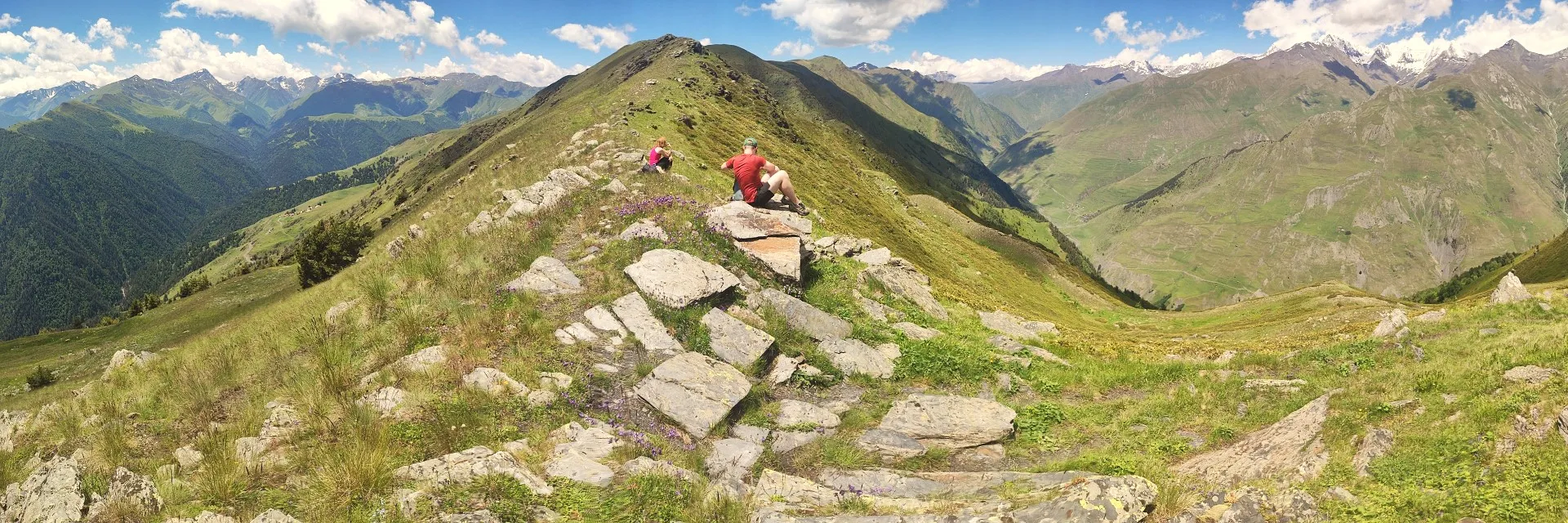
3-Day Tusheti Peak Experience: 4WD & Alpine Hiking
An ultimate 4x4 off-road adventure through the wild peaks of Tusheti and Kazbegi. Explore medieval stone towers in Dochu and Omalo.
Explore Tour
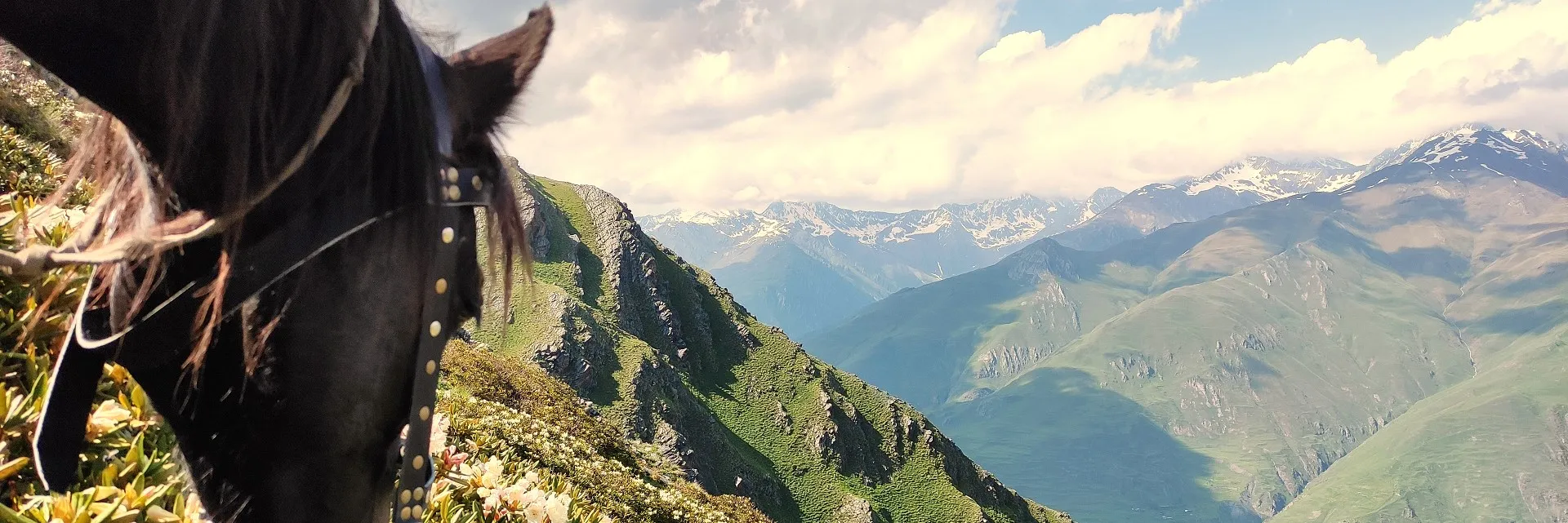
4-Day Tusheti Wilderness: Horseback Adventure
Embark on an intensive 4-day private 4x4 and horseback expedition into wild Tusheti. Cross legendary Abano pass, explore medieval stone tower villages, and conquer the panoramic Unagira summit.
Explore Tour
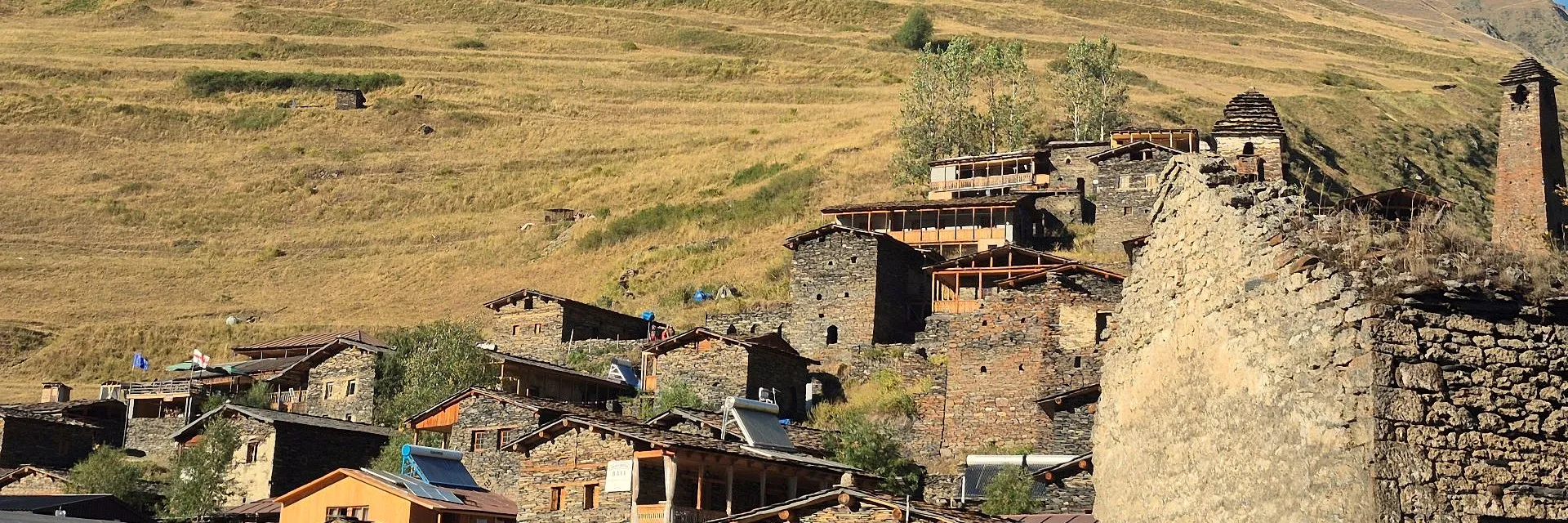
7-Day Georgia Culture and Nature Tour: Tusheti & Kakheti
Combine high-altitude adventure and wine culture on a spectacular 7-day private tour. Explore the untouched medieval stone villages of Tusheti before descending into the historic vineyards of Kakheti.
Explore Tour
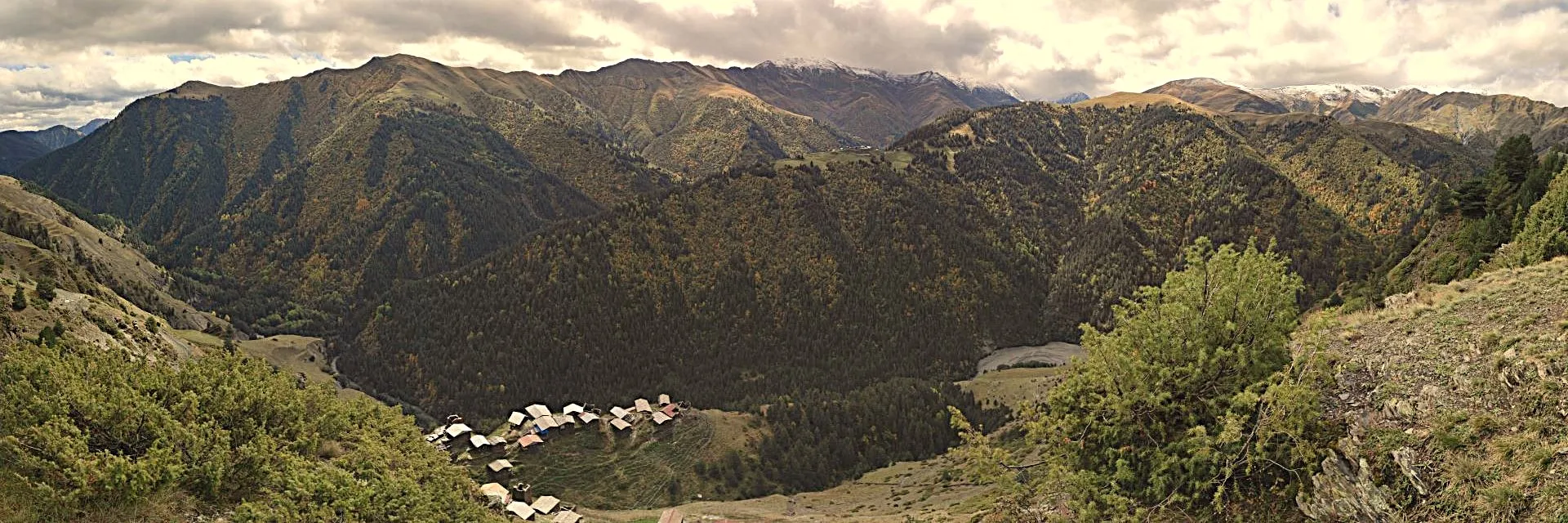
9-Day High Caucasus Expedition: The Peaks of Tusheti & Kazbegi
Experience the ultimate 9-day private expedition through Georgia’s premier highlands. Explore the hidden stone villages of Tusheti and trek toward the spectacular Chaukhebi Massif in Kazbegi.
Explore Tour
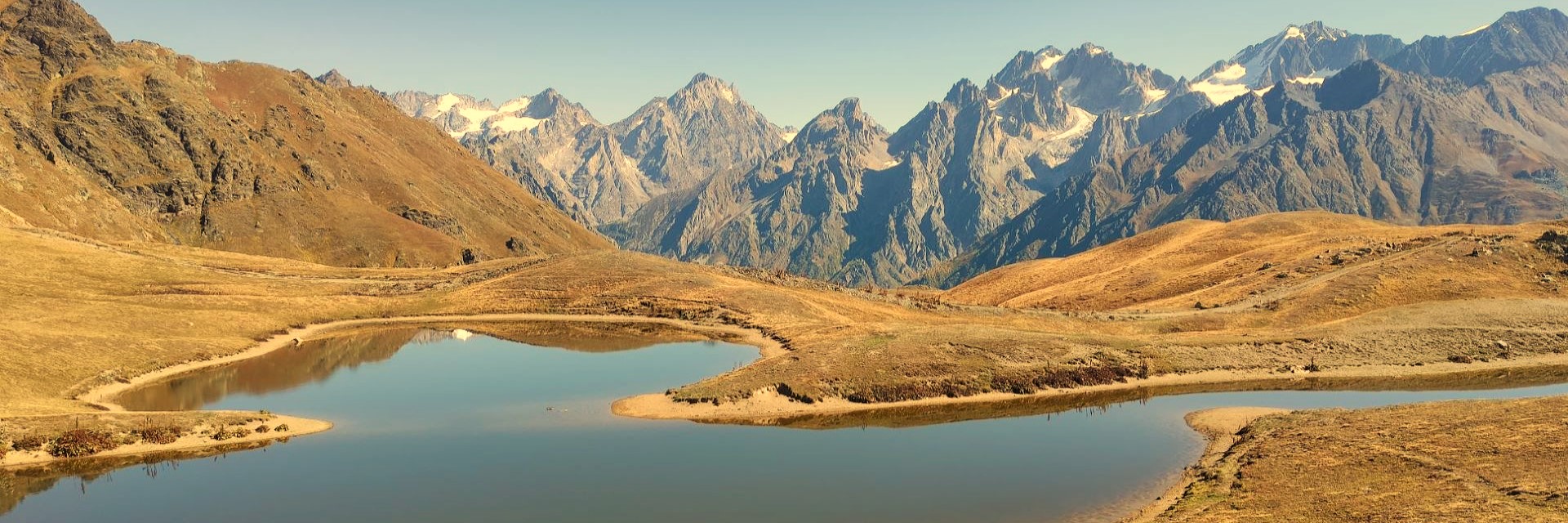
Ultimate 15-Day Georgia Mountain Tour: Tusheti to Svaneti Adventure
Experience a spectacular 15-day mountain adventure covering Georgia's most dramatic peaks and UNESCO sites. Explore remote alpine wonders from Tusheti and Kazbegi all the way to Racha and Svaneti.
Explore Tour


